
Liberica|A Coffee Genetic Treasure Waiting to Be Explored
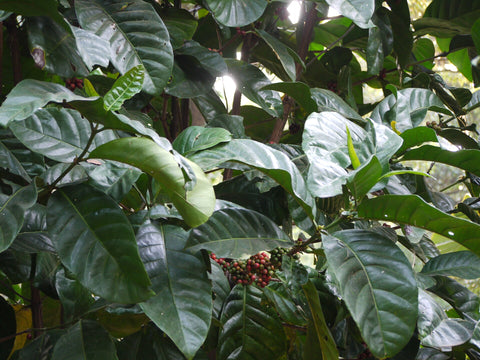



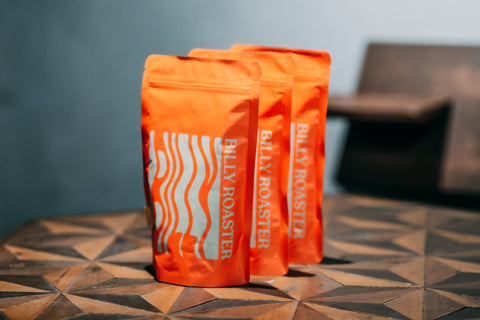
◥ Naturally low-caffeine Special Set
『 Excelsa 』100g x 『 Liberica 』100g———————————————————————————————
▻ Excelsa
Indonesia Sumber Wandhe
Region:Java Wonosalam
Altitude:600m
Process:Mossto Anaerobic Natural
Aroma Notes:
Tropical fruits, Blueberry, Sarsaparilla, Fruity flavor
▻ Liberica
India Western Ghats Foothills
Region:Mysore
Altitude:1,600m
Process:Natural
Aroma Notes:
Berries, Sarsaparilla, Licorice
Liberica|
A Giant Coffee Species from Africa
Liberica is a distinctive member of the coffee family, native to parts of West and Central Africa and later cultivated extensively across Southeast Asia. Compared with the more familiar Arabica and Robusta, Liberica is characterized by its large and vigorous trees, exceptionally large coffee cherries, and highly distinctive, asymmetrical green beans.
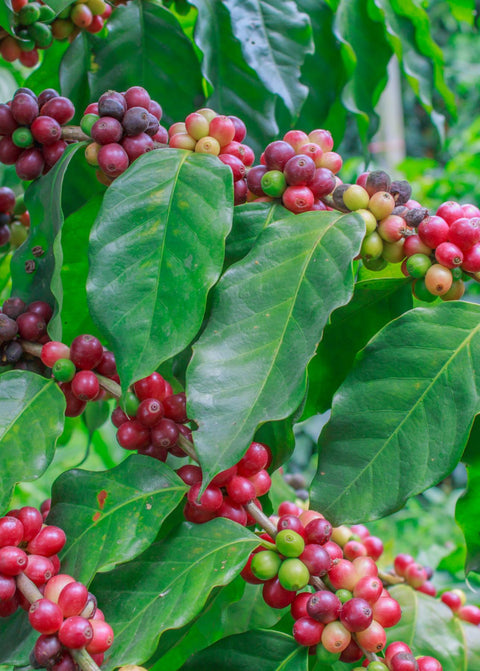
Liberica has historically had far less visibility in the specialty coffee market than Arabica and Robusta. In recent years, however, it has begun to attract increasing attention, partly because:
“It may represent an important genetic resource for coffee in the face of climate change.”
Liberica is known for its vigorous growth and has demonstrated a degree of adaptability to high temperatures and certain coffee diseases, which has contributed to renewed interest in the variety in parts of Southeast Asia.
In countries such as Malaysia, the Philippines, and Indonesia, Liberica has already developed into a coffee culture with strong local characteristics.
Its flavor profile is equally distinctive, often expressing pronounced notes of ripe tropical fruit, jackfruit, brown sugar, wood, and spice. The cup can be rich and full-bodied, with an aroma profile that is distinctly its own. This irreplaceable character has also contributed to the renewed interest in Liberica within the specialty coffee market.
It is more than simply “another type of coffee”—it is a coffee genetic treasure waiting to be explored.
Excelsa|
A Rare Variety Meets an Innovative Processing Method
This coffee from Sumber Wandhe Estate in Indonesia features the relatively uncommon Excelsa variety, which has attracted increasing attention within the specialty coffee community in recent years. It is processed using the innovative Mossto Anaerobic Natural method, creating an expression that differs from more traditional Indonesian coffees.
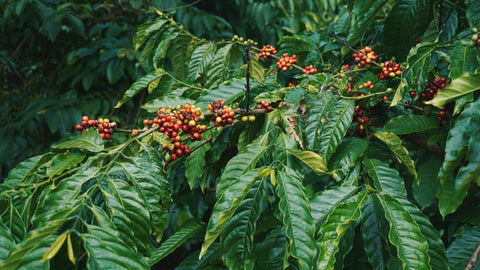
Excelsa is native to Central Africa and was historically classified as a variety of Liberica, which is why the two are often discussed together or confused with one another. More recent botanical and genetic research has highlighted significant differences between Excelsa and Liberica and has contributed to its classification under the separate species name Coffea dewevrei.
Today, an increasing number of coffee-producing regions, green coffee suppliers, and roasters are promoting it under the name Excelsa, helping the variety gradually establish its own identity within the specialty coffee world.
One of the most fascinating aspects of Excelsa is its highly distinctive flavor profile. Unlike Arabica, which is often associated with floral aromatics and bright acidity, or Robusta, which tends toward heavier and more bitter characteristics, Excelsa expresses a remarkably different personality.
