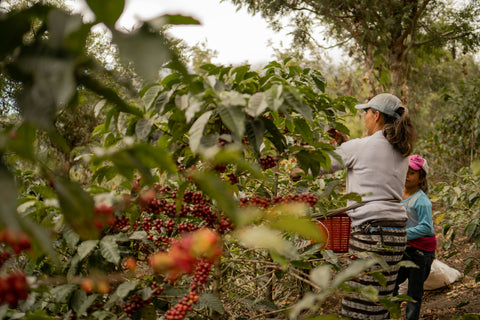
After harvesting, the coffee cherries are meticulously sorted so that only perfectly ripe fruit is selected. The cherries are then depulped, while retaining most of the mucilage, before being transferred into sealed fermentation tanks for 96 hours of anaerobic fermentation.
Within the oxygen-free environment, naturally occurring lactic acid bacteria and yeasts become the dominant microorganisms. They slowly metabolize the sugars in the mucilage, producing compounds such as lactic acid and aromatic esters, which contribute greater aromatic complexity and sweetness to the coffee. Throughout the fermentation, temperature, duration, and microbial activity are carefully monitored to prevent over-fermentation while enhancing sweetness, mouthfeel, and flavor complexity.
Once fermentation is complete, the coffee is dried on African raised beds with a significant amount of mucilage still attached, following the Red Honey Process. Compared with Yellow Honey processing, Red Honey retains more mucilage and natural sugars, allowing the coffee to develop greater sweetness, a rounder body, and a longer, more lingering finish. At the same time, it produces a cleaner and more transparent cup than a traditional natural process.
In recent years, Ethiopia has become a leader in developing innovative experimental processing techniques, and the Danche processing station is one of the country's outstanding examples. The 96-hour Anaerobic Red Honey Process is far more than simply extending fermentation time—it is a precisely controlled process that amplifies the floral and fruity characteristics of Ethiopia's native coffee varieties while showcasing the exceptional terroir of Gedeb. The result is a coffee that retains the elegance and clarity of classic Ethiopian profiles while expressing the richer sweetness, fuller body, and remarkable complexity made possible through modern processing techniques.