
Huila — A Mountain Environment for Exceptional Specialty Coffee

Colombia Quebraditas
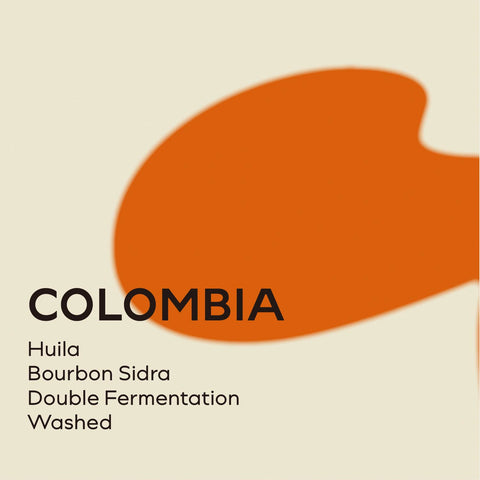
Region:Huila
Variety:Bourbon Sidra
Altitude:1,800m
Process:Double Fermentation Washed Thermal Shock Q05
Aroma Notes:
Grapes, Herbs, Blueberries, Caramel, Red guava
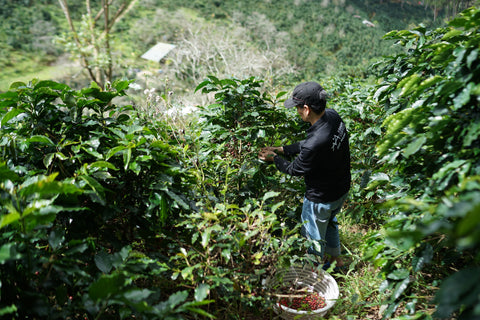
Huila, located in southern Colombia, is one of the country’s most renowned specialty coffee-producing regions. Its landscape is characterized by the mountainous terrain and valleys of the Andes. Coffee is cultivated across a range of elevations and slopes, where diverse microclimates create favorable conditions for the development of complex flavors.
Smallholder farming plays an important role in Huila’s coffee industry. Many producers carefully manage their harvests and processing methods according to the elevation, shade, soil conditions, and ripening cycles of their individual plots. Through selective harvesting of ripe cherries and meticulous post-harvest management, local producers continue to explore the flavor potential of different varieties and processing techniques.
Bourbon Sidra is a distinctive Arabica coffee variety that has attracted considerable attention in the specialty coffee market. Sidra is often associated with its cultivation history in Ecuador and has since been cultivated in other South American coffee-producing countries, including Colombia.
Its appeal lies not only in its relative rarity but also in the qualities that some lots can express, including pronounced sweetness, delicate floral aromas, vibrant fruit notes, and layered acidity. In recent years, Sidra has gained further recognition through its notable performances in international coffee competitions.
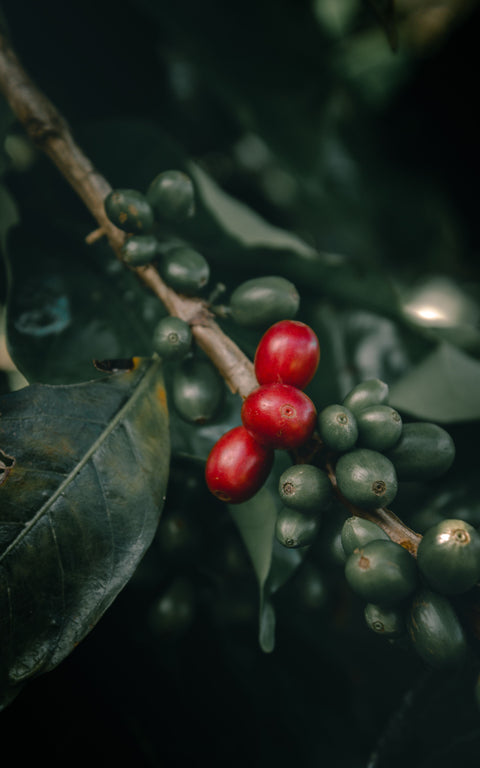
Sidra is particularly appreciated for its sweetness, floral and fruity aromatics, bright acidity, and refined, layered mouthfeel.
This particular lot is led by the sweetness of dark fruits, complemented by notes of red-fleshed guava and a subtle herbal character. Its flavor profile is rich and multifaceted.

Double Anaerobic Thermal Shock Washed combines staged anaerobic fermentation, temperature control, and washed processing. This specialized post-harvest method emphasizes precise fermentation management and the exploration of distinctive flavor profiles.
Double anaerobic fermentation generally refers to two stages of fermentation conducted under low-oxygen conditions. By controlling factors such as time, temperature, and fermentation conditions, producers can manage the fermentation of whole coffee cherries or depulped coffee beans, exploring different expressions of aroma, acidity, and sweetness. The exact sequence and conditions of the two stages vary according to each producer’s processing design.
Thermal shock involves introducing changes in water temperature during processing, often in conjunction with the washing stage, to influence the post-harvest conditions. The specific water temperatures, duration, and sequence of operations vary from producer to producer; there is no single standardized formula used for every thermal shock process.
By combining fermentation management with temperature control, producers aim to balance the complexity developed during fermentation with the clarity and character associated with washed processing.
Together, the growing environment of Huila, the distinctive character of Sidra, and the precision of this post-harvest technique contribute to the unique character of this coffee.
